Ramses II: The Greatest Pharaoh in Egypt’s Long and Glorious History
When planning an Egypt tour or a visit to Cairo, the story of Ramses II Egypt Golden Age is essential. Known as Ramses the Great, he ruled Egypt for 67 years, leaving behind an incredible legacy of temples, monuments, and historical achievements. Travelers joining a Grand Egyptian Museum & Egyptian Museum Tour can explore artifacts, statues, and inscriptions that highlight the power and influence of this legendary pharaoh.
When travelers explore the wonders of ancient Egypt, one Pharaoh rises above all others — Ramses II, also known as Ramses the Great. His legacy stretches across temples, monuments, battles, diplomacy, and a reign that lasted an incredible 67 years.
Ramses II, the third Pharaoh of the 19th Dynasty, ruled from around 1279 to 1213 BCE. His reign marked a period of unmatched prosperity and ambition. He was not only a political leader, but also a builder, a military commander, and a ruler determined to immortalize his name on the sands of history. Today, Egypt’s greatest archaeological sites still carry his inscriptions, proudly declaring: “Ramses, beloved of Amun.”
A Long Reign That Defined the Ramses II Egypt Golden Age
One of the most remarkable aspects of Ramses II’s life is the sheer length of his reign. He ascended the throne in his early twenties and continued to rule until he was over 90 years old. This extraordinary duration allowed him to accomplish more than most pharaohs combined. Temples were built, armies were expanded, cities were strengthened, and royal statues were erected from the Nile Delta to Nubia.
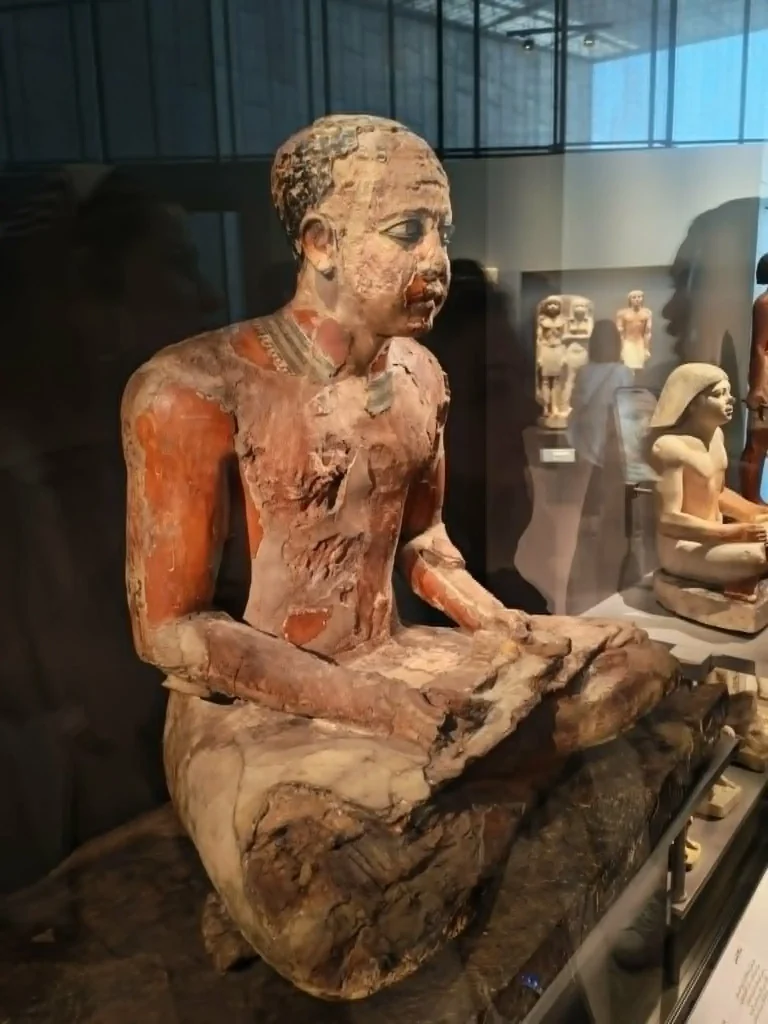
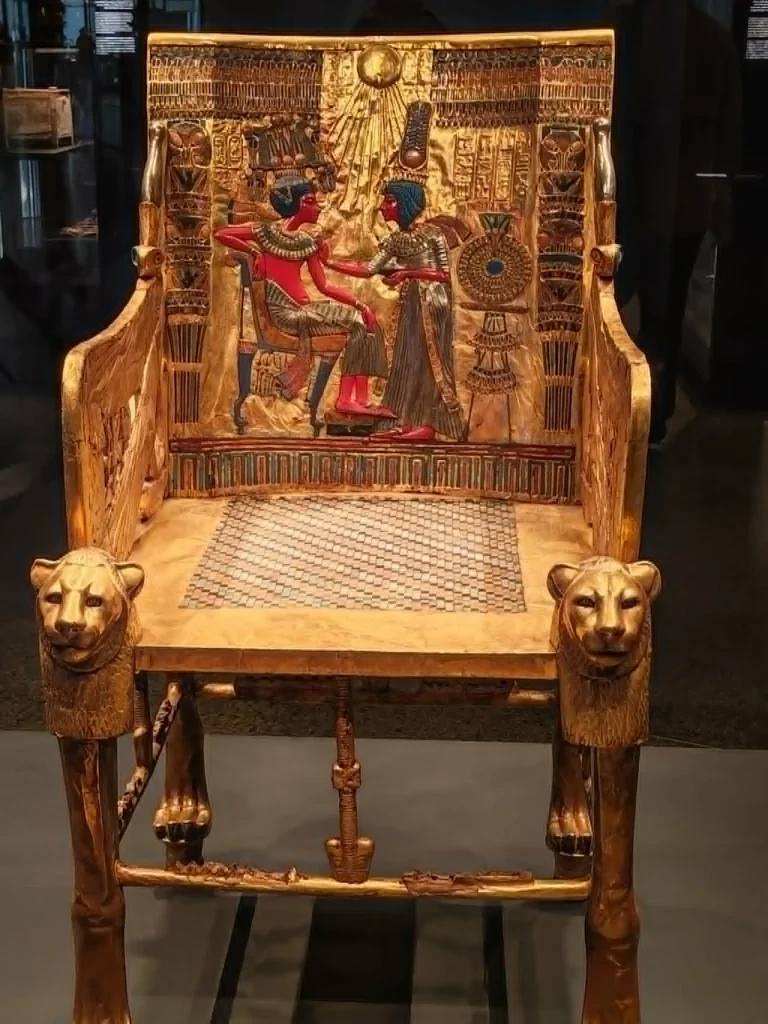
Visitors who take part in a Grand Egyptian Museum & Egyptian Museum Tour will see firsthand the artistic styles, royal statues, and inscriptions that flourished during Ramses II’s rule. The tour offers a deep look at the craftsmanship and innovation that made his era one of the most celebrated in Egyptian history.
The Battle of Kadesh: Heroism, Conflict, and the First Peace Treaty
Ramses II is especially famous for the Battle of Kadesh, fought against the powerful Hittite Empire. The battle, which took place near modern-day Syria, is one of the most well-documented conflicts of the ancient world. Although the outcome was essentially a stalemate, Ramses II ensured that his heroic image endured by carving dramatic battle scenes on temple walls.
He portrayed himself riding fearlessly into enemy lines, rallying his troops, and turning the tide of battle through sheer courage. These inscriptions served as one of history’s earliest forms of royal propaganda.
The aftermath of the battle led to something far more important: the world’s first recorded peace treaty. Egypt and the Hittites agreed to end hostilities, exchange prisoners, and support each other in times of crisis. A copy of this treaty is still displayed at the United Nations Headquarters, highlighting its significance for human diplomacy.
For guests on a Grand Egyptian Museum & Egyptian Museum Tour, exploring the artifacts and texts related to this famous battle offers a fascinating insight into Ramses II’s leadership and political genius.
Abu Simbel: A Monument to Immortality
Among the many architectural achievements attributed to Ramses II, the grandest is undoubtedly the Abu Simbel Temples in southern Egypt. Carved directly into a mountain, the main temple features four colossal seated statues of the Pharaoh, each about 20 meters tall. These statues create an unforgettable image of royal power and divine authority.
One of the temple’s most astonishing features is its astronomical alignment. Twice a year, on specific dates believed to be connected to Ramses II’s coronation or birthday, the rising sun penetrates the temple’s inner sanctuary and illuminates the statues of the gods — including Ramses himself. This breathtaking solar phenomenon demonstrates the advanced engineering skills of ancient Egyptian builders.
Next to the main temple sits the Temple of Queen Nefertari, Ramses II’s beloved wife. He dedicated this beautifully decorated structure to her and the goddess Hathor, making her one of the few queens in history to receive a temple of equal grandeur to that of a Pharaoh.
Ramses II Egypt Golden Age: Family and Lasting Legacy
Ramses II fathered more than 100 children, creating one of the largest known royal families in history. His children served as military leaders, priests, and government officials, helping to strengthen his rule throughout Egypt. His favorite queen, Nefertari, is remembered for her intelligence, beauty, and the loving relationship reflected in the monuments he built in her honor.
The Pharaoh’s mummy, discovered in 1881 in Luxor, is one of the most important archaeological finds in modern history. Remarkably well preserved, it has allowed scientists to learn about his health, physical features, and even his hair. In 1976, the mummy was flown to France for restoration, making Ramses II the first ancient ruler to receive a modern passport.
Why Ramses II Still Captivates the World
Ramses II is more than a historical figure—he is a symbol of power, leadership, and cultural brilliance. His monuments still dominate Egypt’s landscape. His stories continue to inspire historians, archaeologists, and travelers from across the globe.
For modern visitors, learning about Ramses II offers the perfect gateway to understanding ancient Egypt. Whether standing before the gigantic statues of Abu Simbel or admiring artifacts in Cairo, his presence can be felt everywhere. His life, achievements, and personality form the backbone of countless tours, lectures, and exhibitions.
Ramses II created a legacy that has lasted more than 3,000 years — and will continue to fascinate the world for generations to come.