Discover Queen Hatshepsut: Egypt’s Legendary Pharaoh and the Grand Egyptian Museum Experience
Egypt is a land of timeless wonders, ancient civilizations, and captivating stories. Among the most iconic figures of ancient Egypt, Queen Hatshepsut stands out as one of the most remarkable rulers. Visitors planning a trip to the Grand Egyptian Museum can explore the treasures and artifacts of this legendary queen, making it a must-visit destination for anyone interested in Queen Hatshepsut Grand Egyptian Museum tours and cultural experiences in Egypt.
Who Was Queen Hatshepsut?
Queen Hatshepsut was one of the few female pharaohs in ancient Egypt. Initially acting as regent for her stepson Thutmose III, she eventually declared herself pharaoh and ruled with authority, vision, and wisdom. Today, travelers on a Queen Hatshepsut Grand Egyptian Museum tour can see her statues, inscriptions, and royal artifacts, gaining a deep understanding of her remarkable reign and the lasting legacy she left behind.
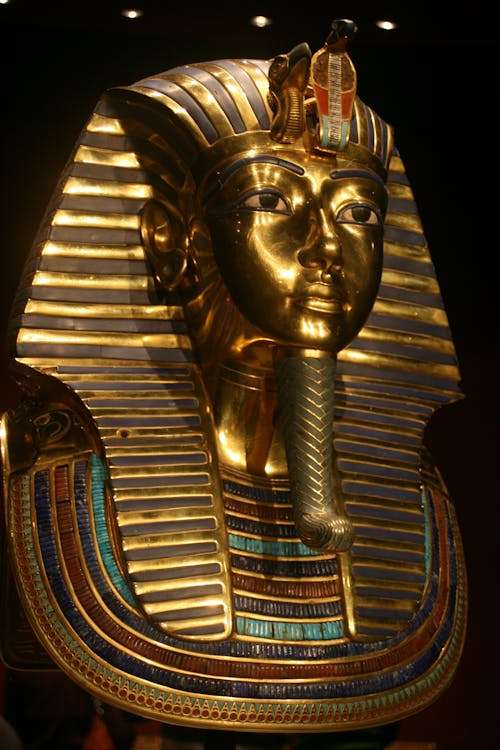
She is depicted both as a woman and in traditional male pharaonic form, often with the ceremonial false beard, symbolizing her royal authority. Hatshepsut’s story is one of empowerment, leadership, and cultural achievement, making her a key figure for travelers interested in ancient Egyptian history.
Architectural Achievements of Hatshepsut
One of Hatshepsut’s most famous contributions is the Mortuary Temple of Hatshepsut at Deir el-Bahari in Luxor. This terraced temple blends seamlessly with the cliffs of the Theban mountains, featuring detailed reliefs of her divine birth, trade expeditions to Punt, and other royal achievements.
For travelers on Egypt cultural tours, visiting Deir el-Bahari alongside Luxor’s Karnak Temple and the Valley of the Kings provides a comprehensive experience of ancient Egyptian architecture and history.
Hatshepsut Artifacts at the Grand Egyptian Museum
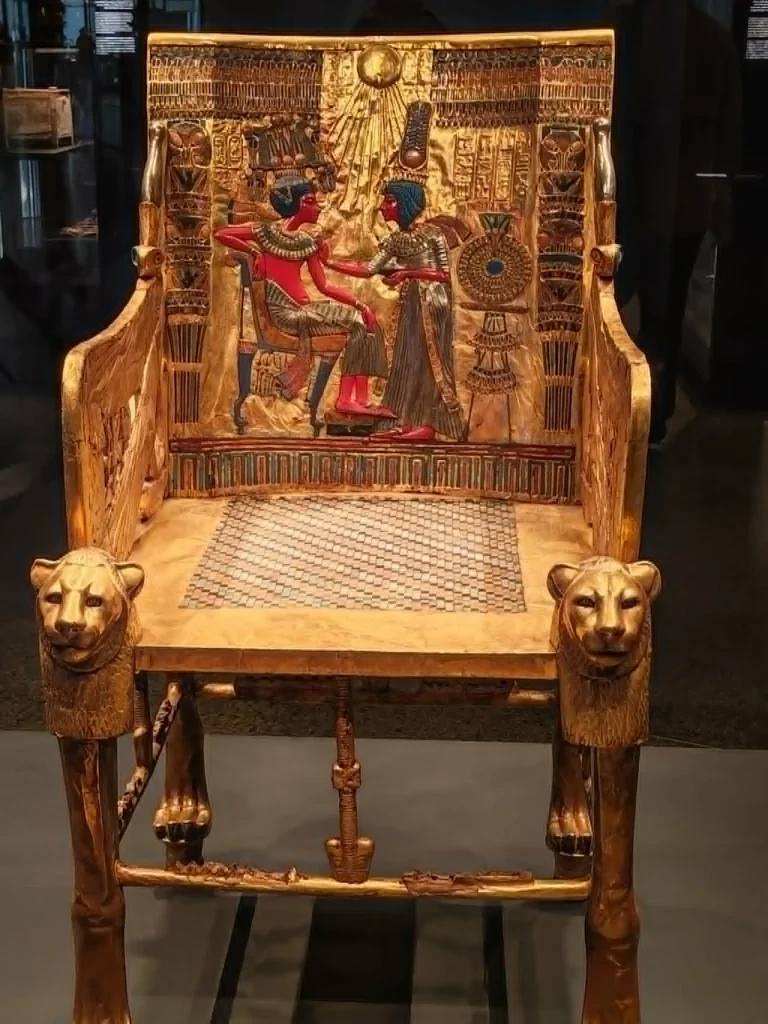
The Grand Egyptian Museum, located near the Pyramids of Giza, houses a vast collection of Hatshepsut-related artifacts, including:
- Statues and sculptures depicting Hatshepsut in various forms.
- Royal stelae and inscriptions detailing her reign.
- Temple fragments and architectural pieces from her building projects.
- Visitors can explore the exhibits with expert guides, who provide detailed explanations of each artifact, making the experience both educational and memorable. The museum also offers interactive displays and 3D reconstructions that bring Hatshepsut’s story to life.
Cultural Tours Featuring Hatshepsut
Many Egypt travel packages include visits to Hatshepsut’s artifacts and monuments. Typical itineraries include:
- Grand Egyptian Museum Tour: Explore statues, inscriptions, and artifacts from Hatshepsut’s reign.
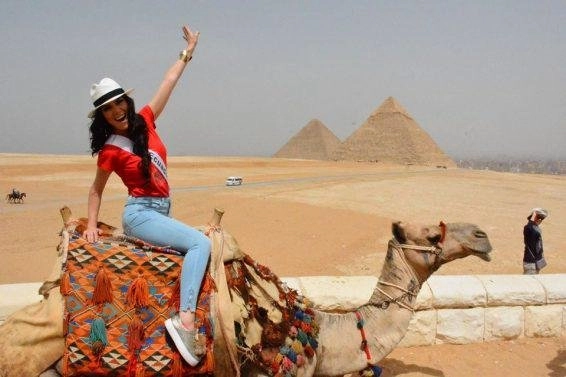
- Pyramids of Giza: Discover the world-famous pyramids while learning about ancient Egyptian history.
- Luxor Excursion: Visit Deir el-Bahari, Karnak Temple, and the Valley of the Kings.
- Photography and Storytelling: Capture memorable moments with the guidance of certified Egyptologists
- Booking a Hatshepsut-focused tour allows travelers to deeply connect with Egypt’s ancient civilization while enjoying a well-structured and informative journey.
Why Hatshepsut is a Must-See Figure
Hatshepsut’s story is inspiring for several reasons:
- Architectural Achievements: She built temples, obelisks, and statues that remain iconic.
- Trade and Diplomacy: Her expeditions to Punt brought wealth, goods, and prestige to Egypt.
- Political Stability: Her reign ensured peace and economic growth.
- Cultural Influence: Her reign influenced Egyptian art and architecture for generations.