History of Egypt from Prehistory to President Sisi – Explore Ancient to Modern Egypt
<p>Egypt, often called the cradle of civilization, has shaped art, religion, architecture, and governance throughout history. From prehistoric settlements along the Nile to the iconic pyramids, the history of Egypt from Prehistory to President Sisi highlights human achievement and cultural development. Travelers from the USA and Europe can explore Egypt’s rich cultural heritage and visit famous landmarks
Luxor and Aswan tours
This guide takes visitors through Egypt’s history, covering each era, notable figures, and cultural accomplishments. Tourists from the USA and Europe can use it to plan trips to must-see historical sites and experience Egypt’s extraordinary heritage, from ancient Pharaohs to modern Egypt under President Abdel Fattah El-Sisi.
1. Prehistoric Egypt (c. 500,000 – 3100 BC)
1.1Prehistoric Egypt: Early Stone Age Settlements and Human Habitation
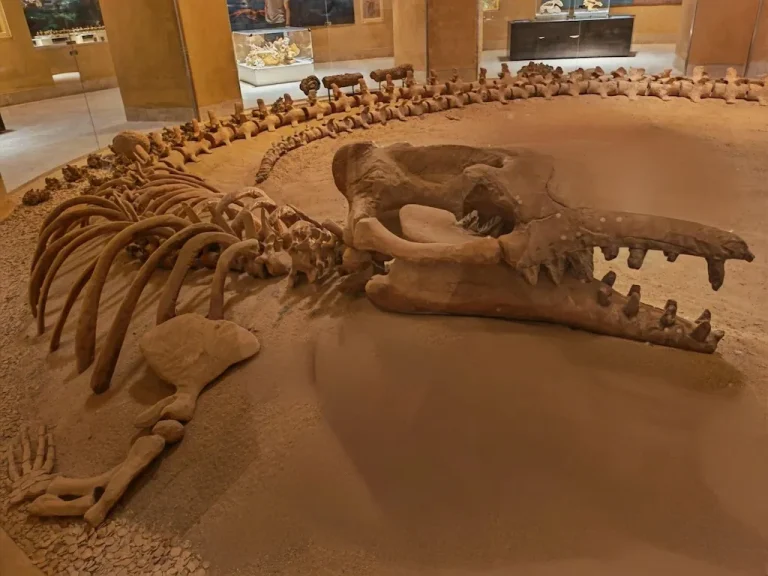
Humans inhabited the Nile Valley as early as 500,000 BC, living along the river and relying on hunting, fishing, and foraging. Archaeological evidence shows stone tools and simple shelters, reflecting early social organization.
Key Sites:
Wadi Halfa
Nabta Playa
Qena region
1.2 Neolithic Period and Agricultural Revolution
By 6000 BC, Egyptians developed agriculture and domesticated animals. Villages emerged, pottery and weaving were invented, and early religious practices appeared.
Tourist Highlights:
Nabta Playa Stone Circle, an ancient ceremonial site predating the pyramids
2. History of Egypt from Prehistory to President Sisi: Ancient Egypt and Pharaohs(3100 – 332 BC)
2.1 Early Dynastic Period
King Narmer unified Upper and Lower Egypt (~3100 BC). Hieroglyphics and centralized governance emerged.
2.2 Old Kingdom (2686 – 2181 BC)
Known as the “Age of the Pyramids,” including:
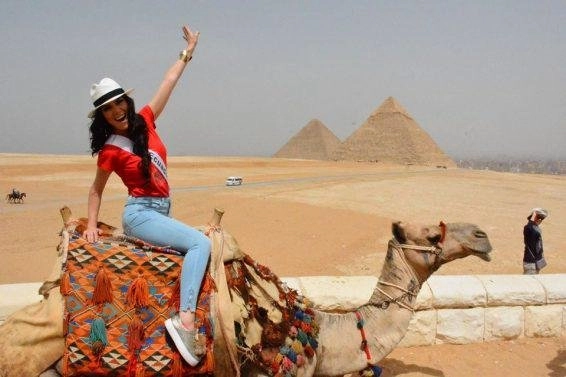
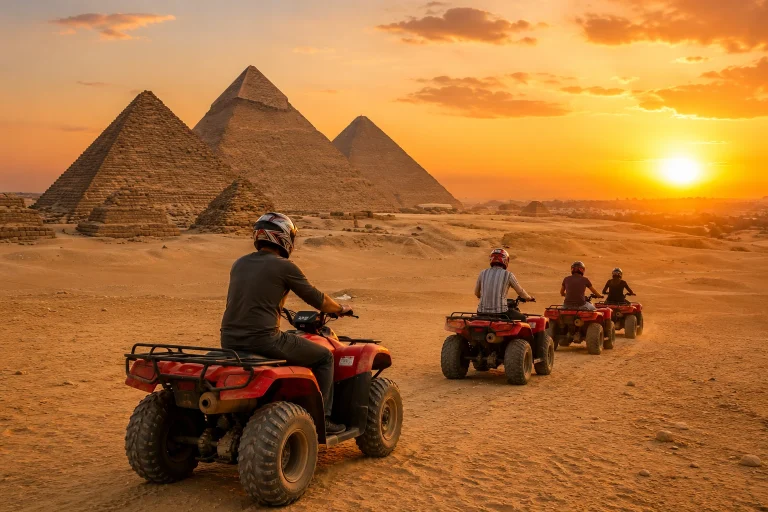
Great Pyramid of Giza
Sphinx
Pharaoh Khufu, Khafre
Tourist Sites: Pyramids complex, Solar Boat Museum
2.3 Middle Kingdom (2055 – 1650 BC)
Marked by political stability and cultural development. Literature, arts, and architecture flourished.
2.4 New Kingdom (1550 – 1070 BC)
Pharaohs like Hatshepsut, Thutmose III, Ramses II expanded Egypt’s empire. Luxor and Karnak temples built.
Tourist Highlights:
Valley of the Kings
Karnak and Luxor Temples
Abu Simbel
2.5 Religion and Mythology
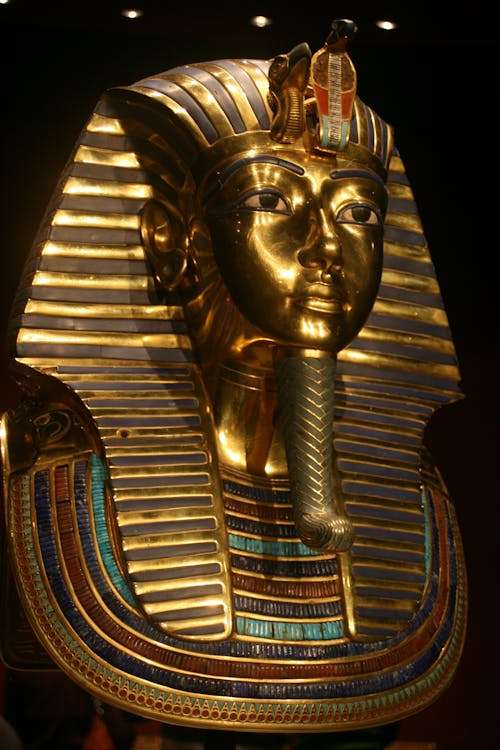
Ancient Egyptians believed in a pantheon of gods, mummification, and elaborate funerary customs.
3.History of Egypt from Prehistory to President Sisi: Ptolemaic and Roman Period(332 BC – 641 AD)
3.1 Alexander the Great and the Ptolemies
Alexander conquered Egypt (332 BC), founded Alexandria. Ptolemies blended Greek and Egyptian culture. Cleopatra VII famous ruler.
3.2 Roman Conquest
Egypt became a Roman province (30 BC). Roman architecture, roads, and governance influenced the country.
Tourist Sites:
Roman amphitheaters in Alexandria
Temples in Philae and Dendera
4. Islamic Egypt (641 – 1517 AD)
4.1 Arab Conquest
Amr ibn al-As led Arab armies (641 AD), introducing Islam and transforming society.
4.2 Fatimid Caliphate
Cairo founded (969 AD), Al-Azhar University established (970 AD), became a center of learning.
4.3 Mamluk Sultanate
Mamluks ruled 1250–1517. Built mosques, madrasas, fortresses.
Tourist Highlights:
Al-Azhar Mosque
Sultan Hassan Mosque
Cairo Citadel
5.History of Egypt from Prehistory to President Sisi: Ottoman and Early Modern Period(1517 – 1805 AD)
5.1 Ottoman Conquest
Egypt became an Ottoman province. Walis (governors) appointed by Sultan, Mamluks retained influence.
5.2 Mamluks’ Legacy
Mamluks controlled local administration and architecture.
Tourist Highlights:
Mosque of Muhammad Bey al-Mokattam
Al-Muizz Street
6. Muhammad Ali and Modern Egypt (1805 – 1952)
6.1 Modern Egypt under Muhammad Ali Pasha: Cultural and Economic Reforms
Modernized Egypt: military, agriculture, education, and industry.
6.2 Infrastructure and Cultural Renaissance
Built canals, roads, bridges. Developed Alexandria as a cosmopolitan hub. Promoted arts and sciences.
6.3 Monarchy and European Influence
King Fuad I and King Farouk ruled as monarchs. European architecture shaped cities.
Tourist Highlights:
Mohamed Ali Mosque (Cairo Citadel)
Alexandria Library
Historic palaces in Cairo
7.History of Egypt from Prehistory to President Sisi: Republican Egypt(1952 – 2014)
7.1 Revolution of 1952
Free Officers Movement overthrew monarchy. Nasser promoted nationalism, industrialization, land reform.
7.2 Sadat Era
Open Door Policy, Camp David Peace Agreement. Tourism started to flourish.
7.3 Mubarak Era
Infrastructure development, tourism growth, relative stability.
Tourist Highlights:
- Luxor, Aswan
Historical museums in Cairo
8. History of Egypt from Prehistory to President Sisi: Modern Egypt under President Sisi (2014 – Present)
8.1 Economic Development
New Administrative Capital, Suez Canal expansion, road and transport projects.
8.2 Modern Egypt Cultural and Tourism Revival under President Sisi
Grand Egyptian Museum opened. Heritage sites restored. International tourism encouraged.
8.3 Security and Stability
Safe travel and investment environment.
Egypt’s journey from prehistoric settlements to a modern nation under President Sisi showcases cultural richness, historical significance, and unique experiences for travelers. Exploring Egypt is more than sightseeing; it’s a journey through human civilization.
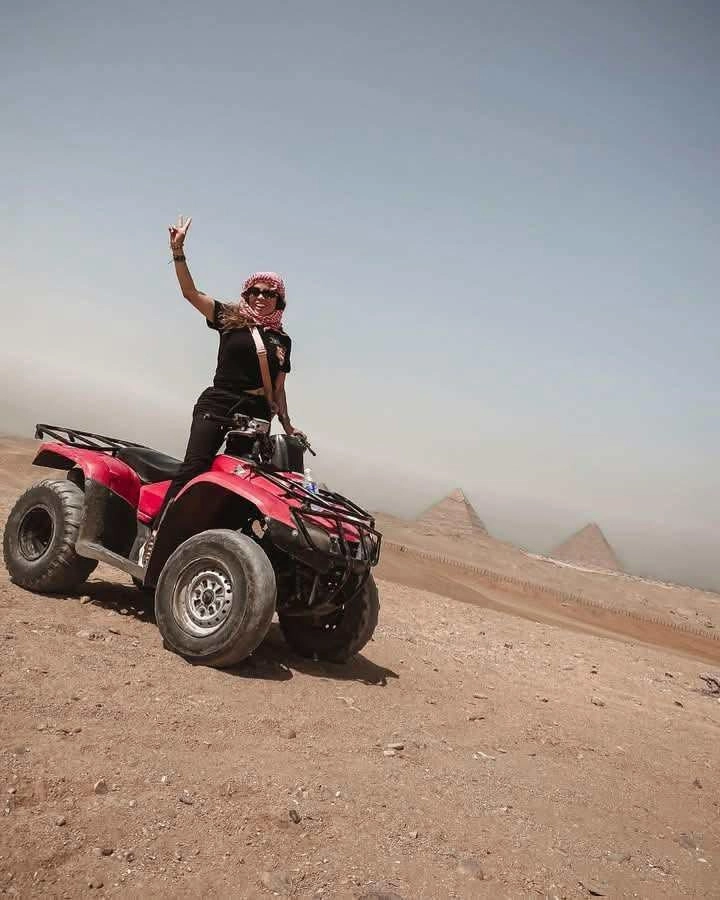
Cultural & Adventure Tours in Egypt – Explore History, Pyramids, and Desert Safaris